MADIA workshop: the challenge of early diagnosis
The urgent need for early diagnosis in neurodegenerative disease, namely Alzheimer's s disease and Parkinson's disease, calls for multidisciplinary approach in order to tailor diagnostic and therapeutical tools on different diseases presentation at the early stage of the diseases. The opportunity of creating an early intervention based upon early biomarkers in the above pathological conditions has prompted the MADIA project.
As required by the EU agenda, MADIA partners met on January 17-18, to discuss project advancing, data and further steps to be taken in order to comply with the initial aims of the project.
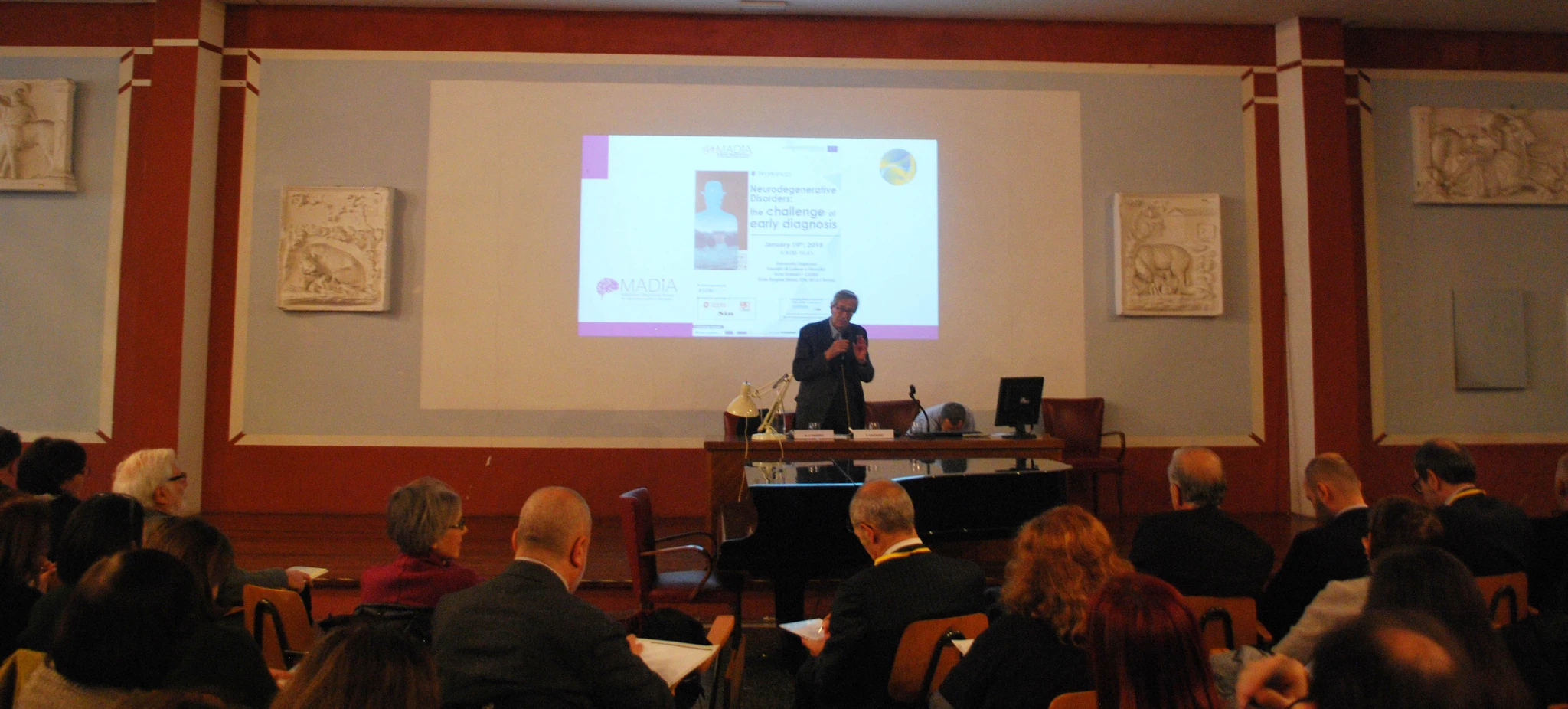
Given the indication by EU project to spread and disseminate information and data, an ancillary workshop has been organized on January 18, to improve knowledge regarding clinical features of AD and PD by basic science research and to favour a better understanding of what laboratory researchers may provide to clinicians for better approaching patients needs.
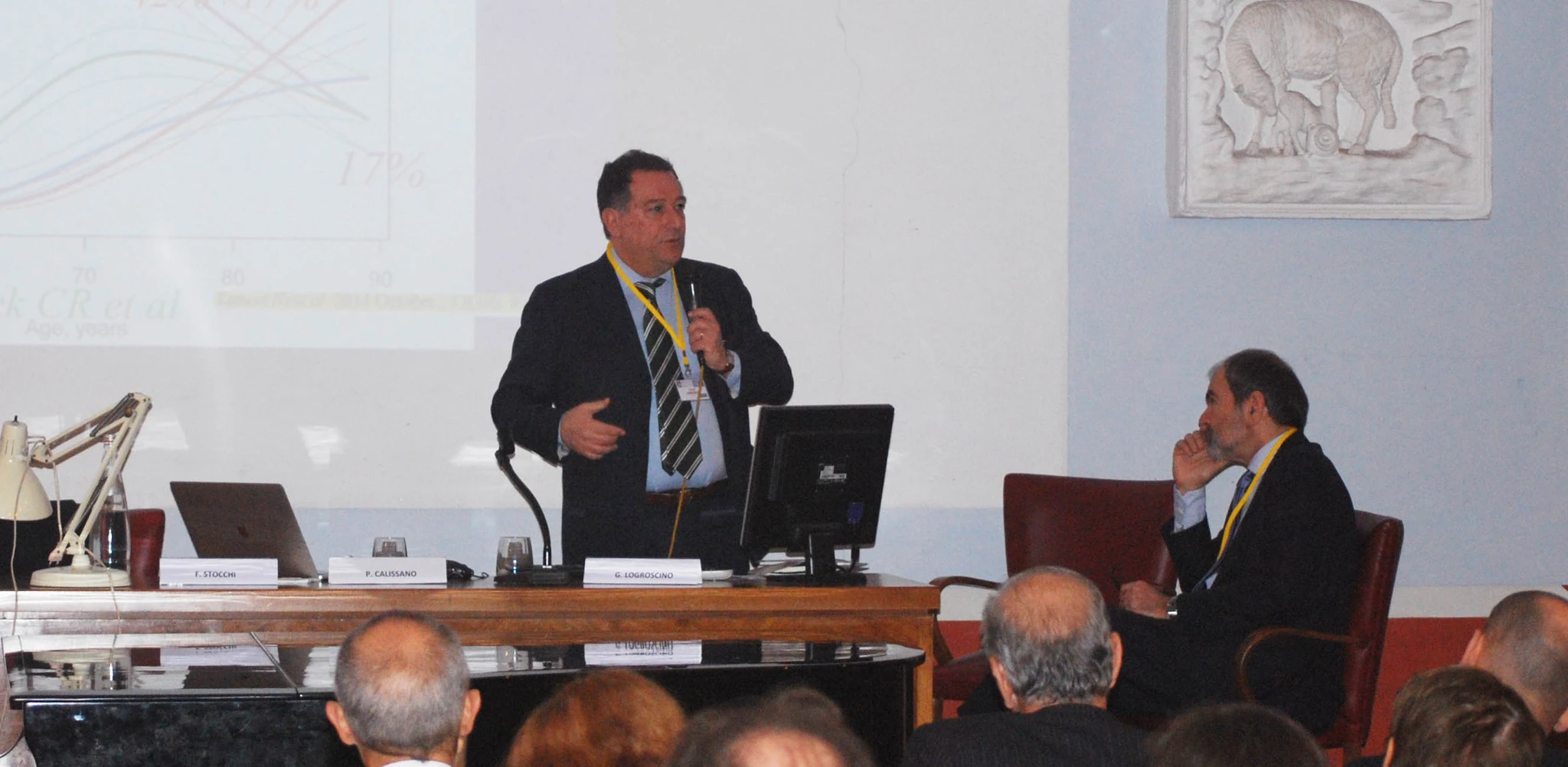
Neurodegenerative disorders will become a major challenge for medicine and public health in future years because of demographic changes worldwide, as reported by Prof. Giancarlo Logroscino.
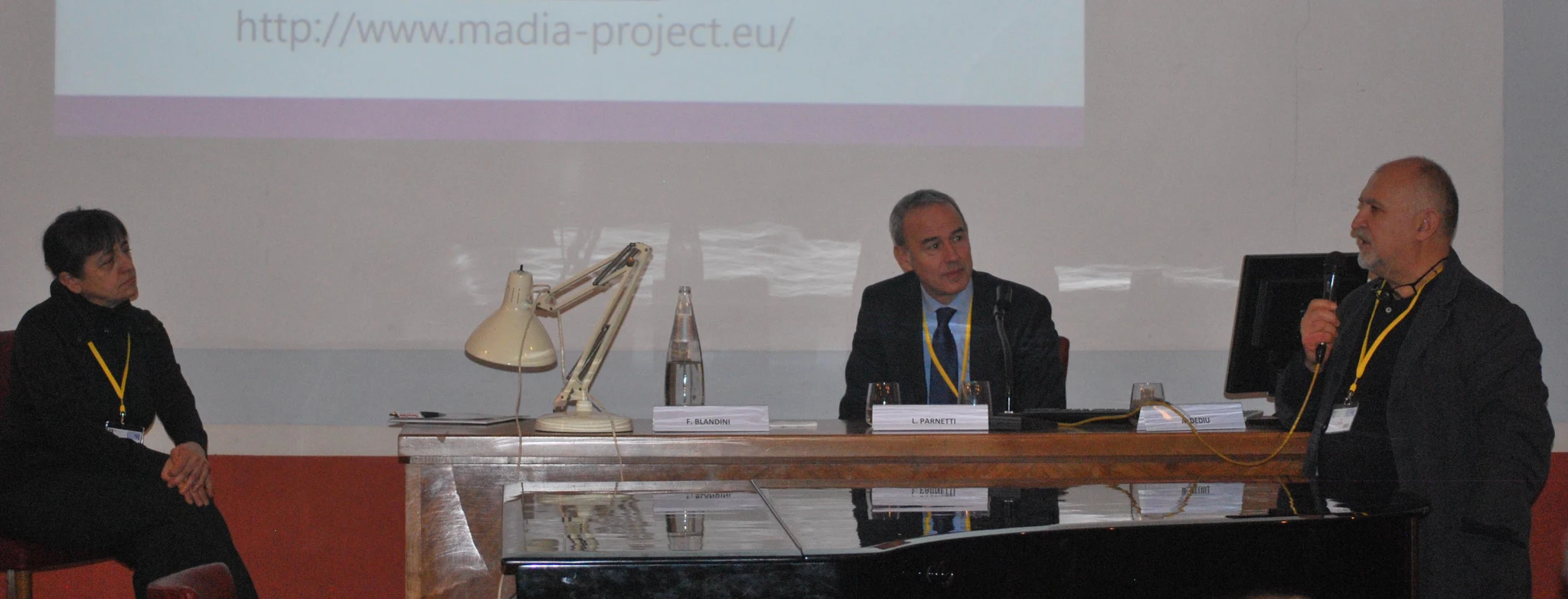
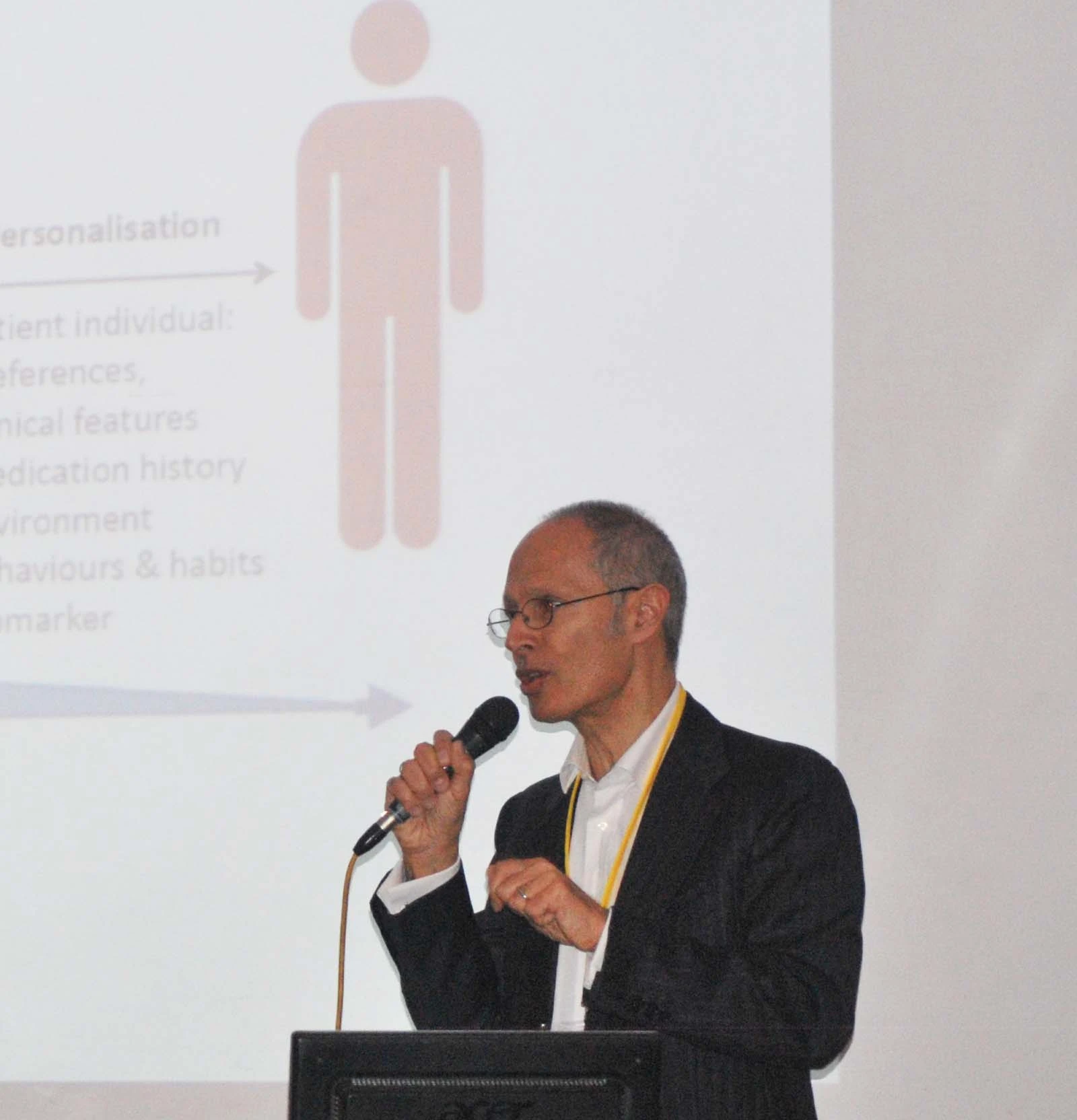
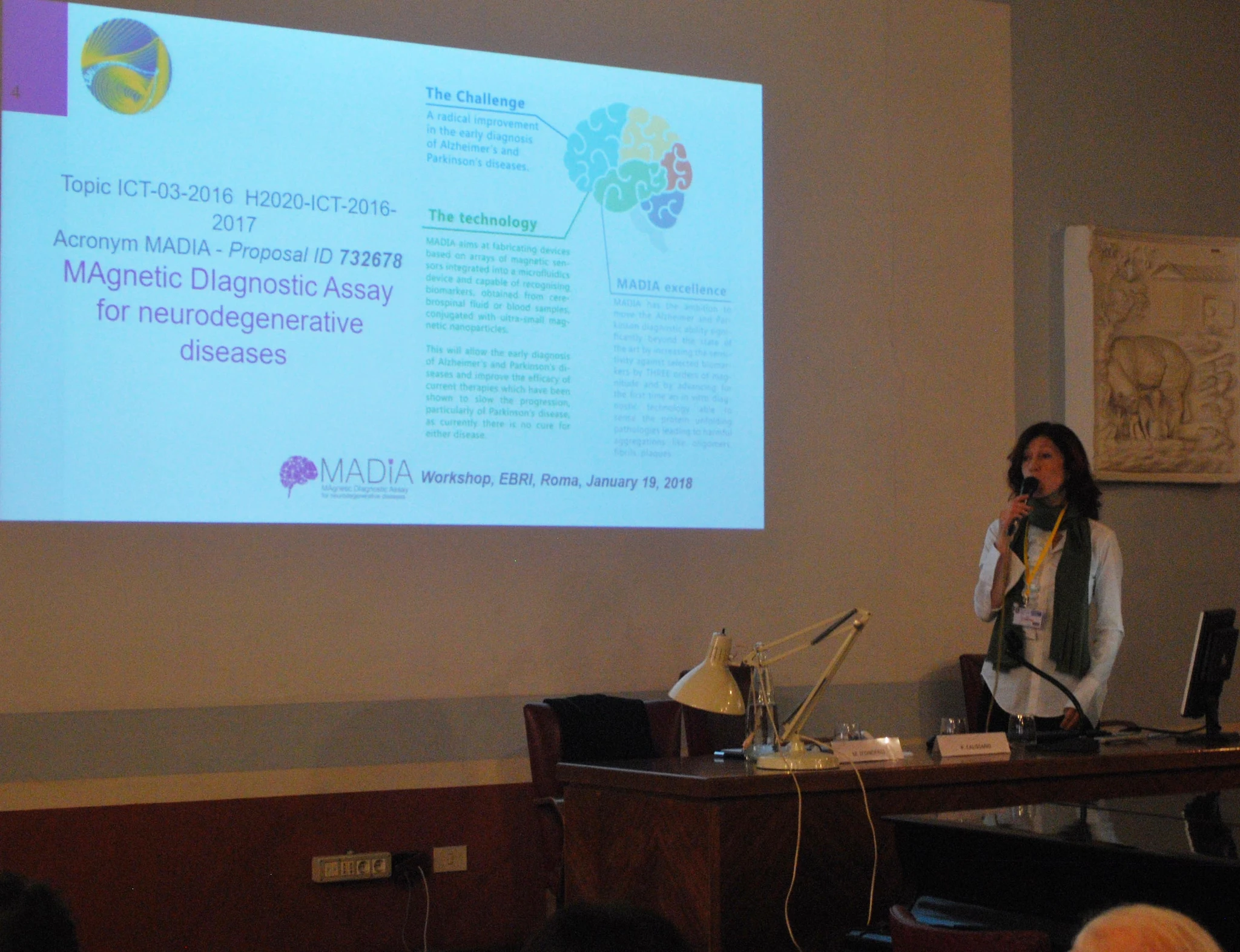
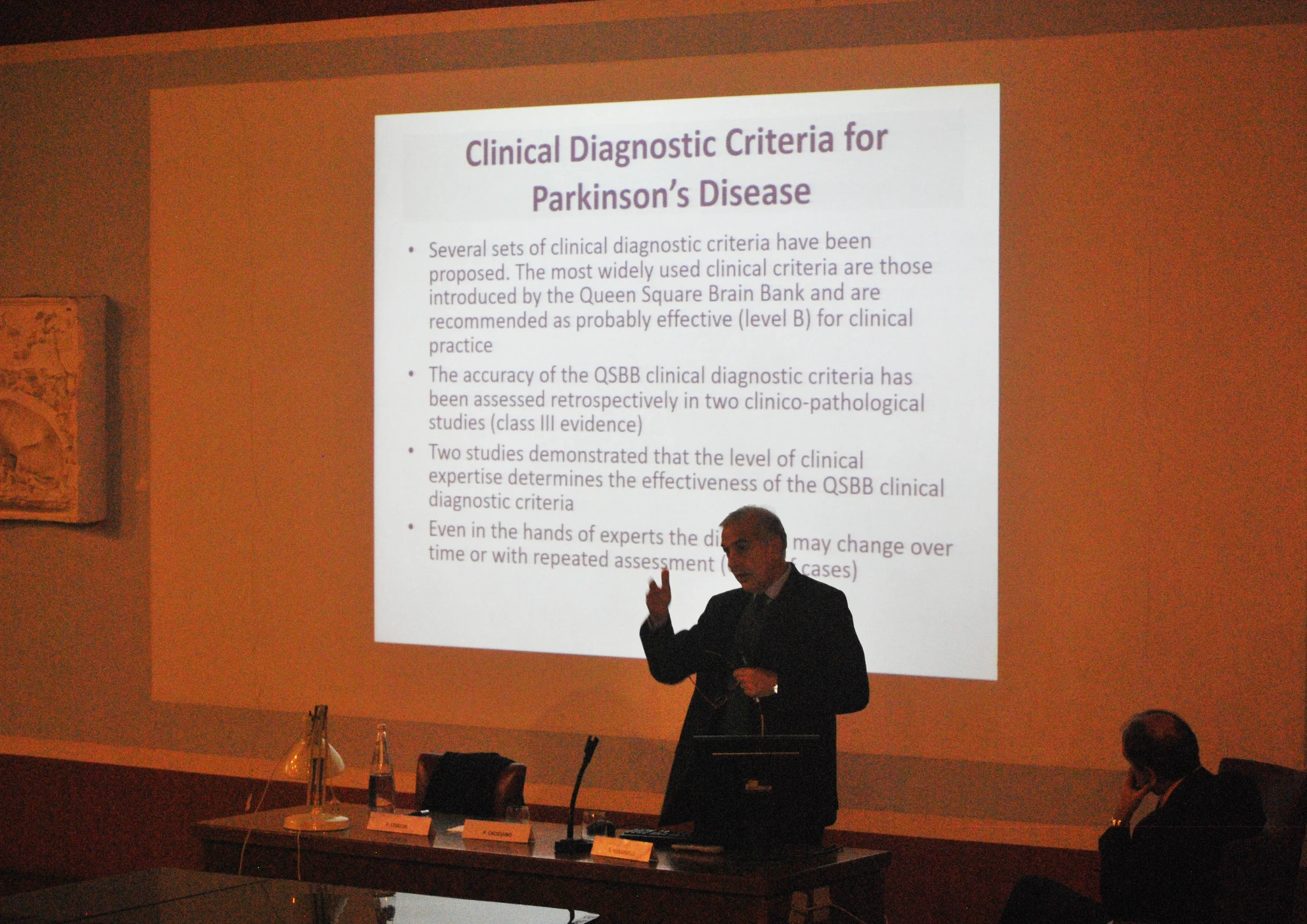
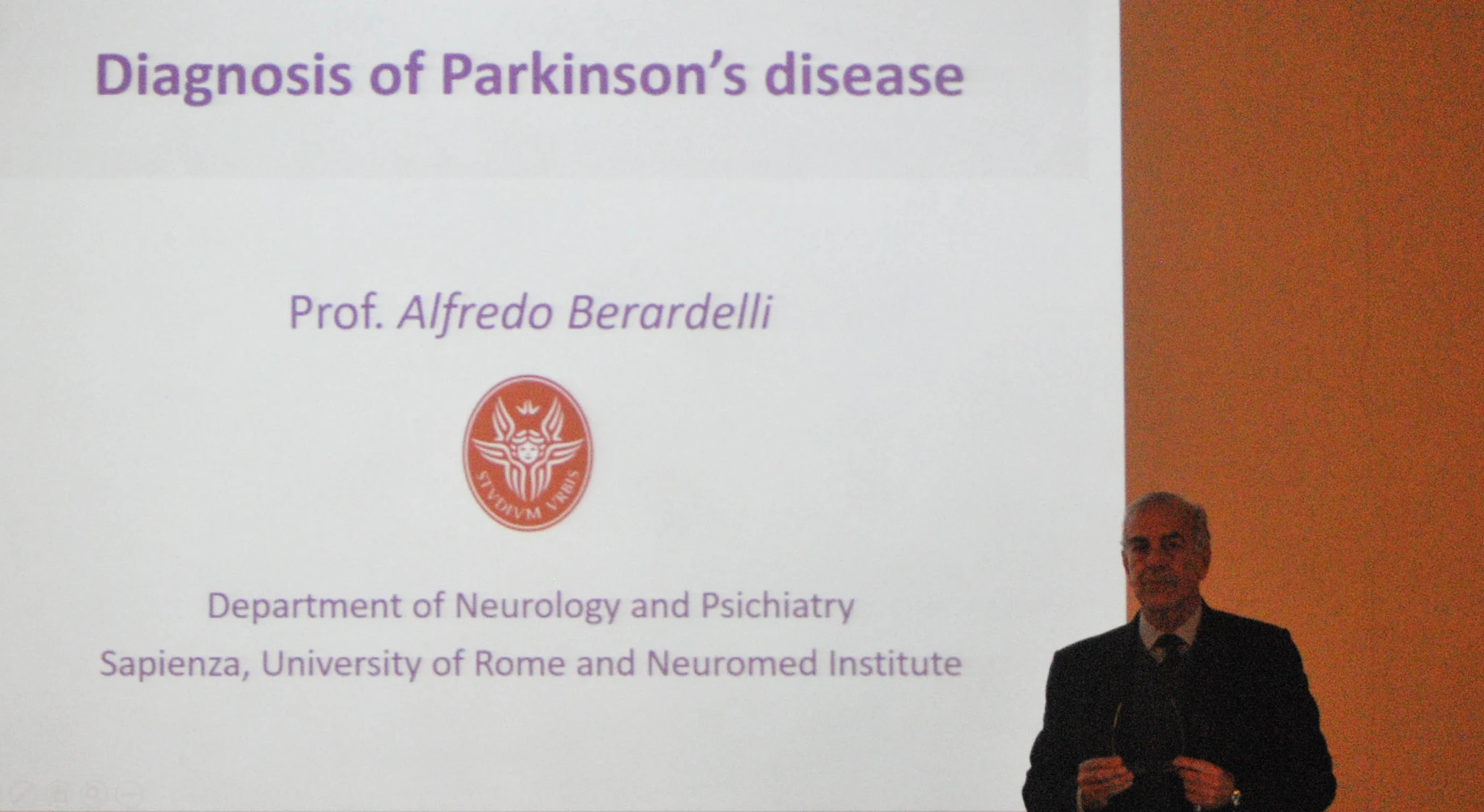
There is evidence that the clinical approach to neurodegenerative disorders, i.e. the appropriate clinical diagnosis, based upon clear criteria as described by Prof. Alfredo Berardelli, who reported he guidelines for PD diagnosis as outlined by MSD (Movement Disorder Association), is mandatory for adequate clinical diagnosis. However, clinical available biomarkers so far are not satisfactory, given the high variability of laboratory references. MADIA promotes a conceptually new diagnostic technology based on the different diffusivity of bare magnetic nanoparticles and magnetic nanoparticles aggregated with the hunted Biomarker, as presented by Dr. Alek Dediu, Coordinator of the MADIA project.
This issue raised from the presentation by Prof. Lucilla Parnetti, who reported the available techniques to evidentiate any possible laboratory parameter to be related to disease and disease's progression. Dr. Giorgio Vivacqua highlighted the opportunities of the use of different fluids, such as saliva, as a promising source for the identification of peripheral biomarkers in Neurodegenerative diseases.
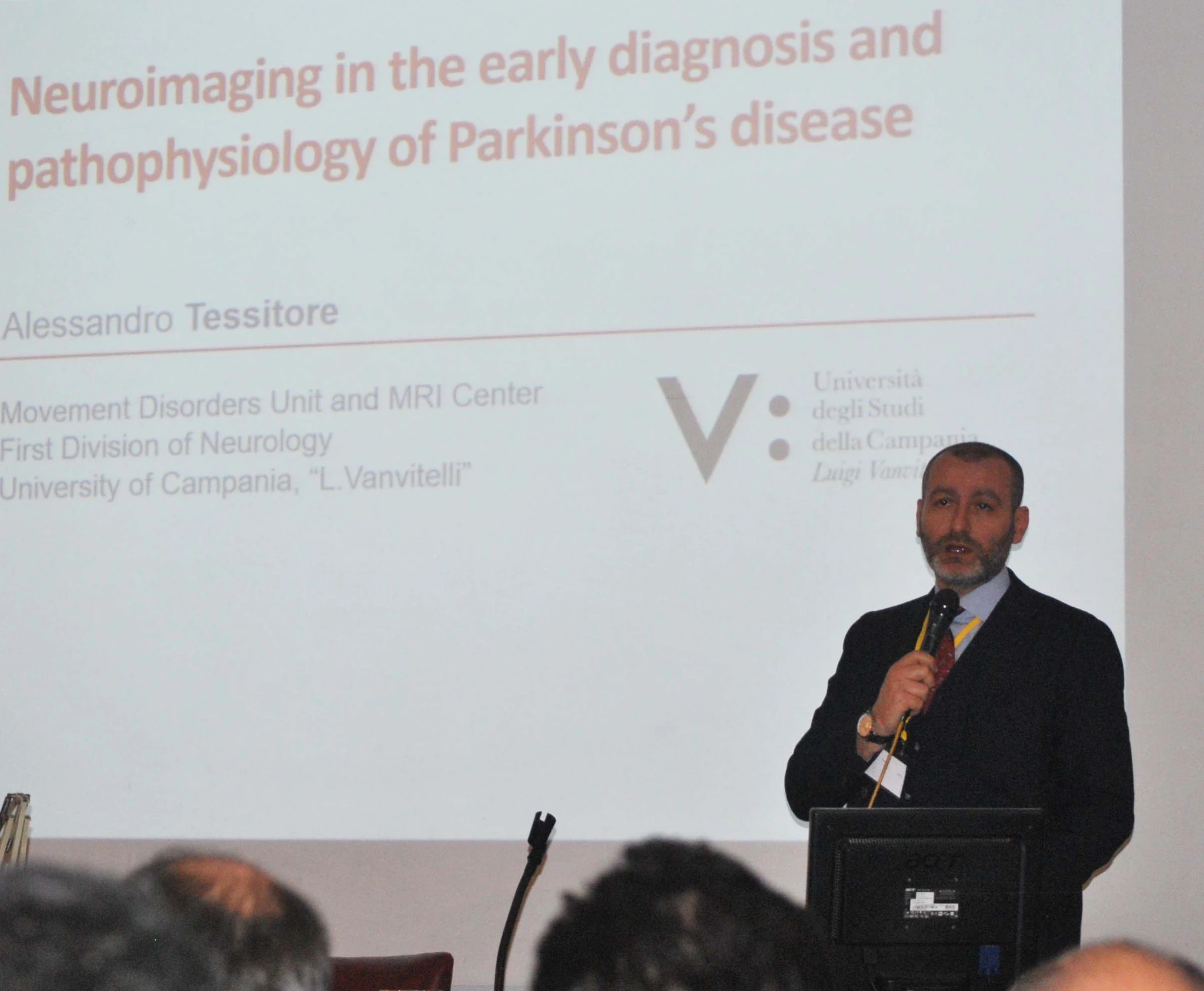
The neuroradiological approach may have a crucial role in differentiating neurodegenerative subpopulation of patients, as outlined by Prof. Alessandro Tessitore who provided clear evidences to differentiate pathological condition by approaching the brain functional systems underlining neurodegenerative conditions.
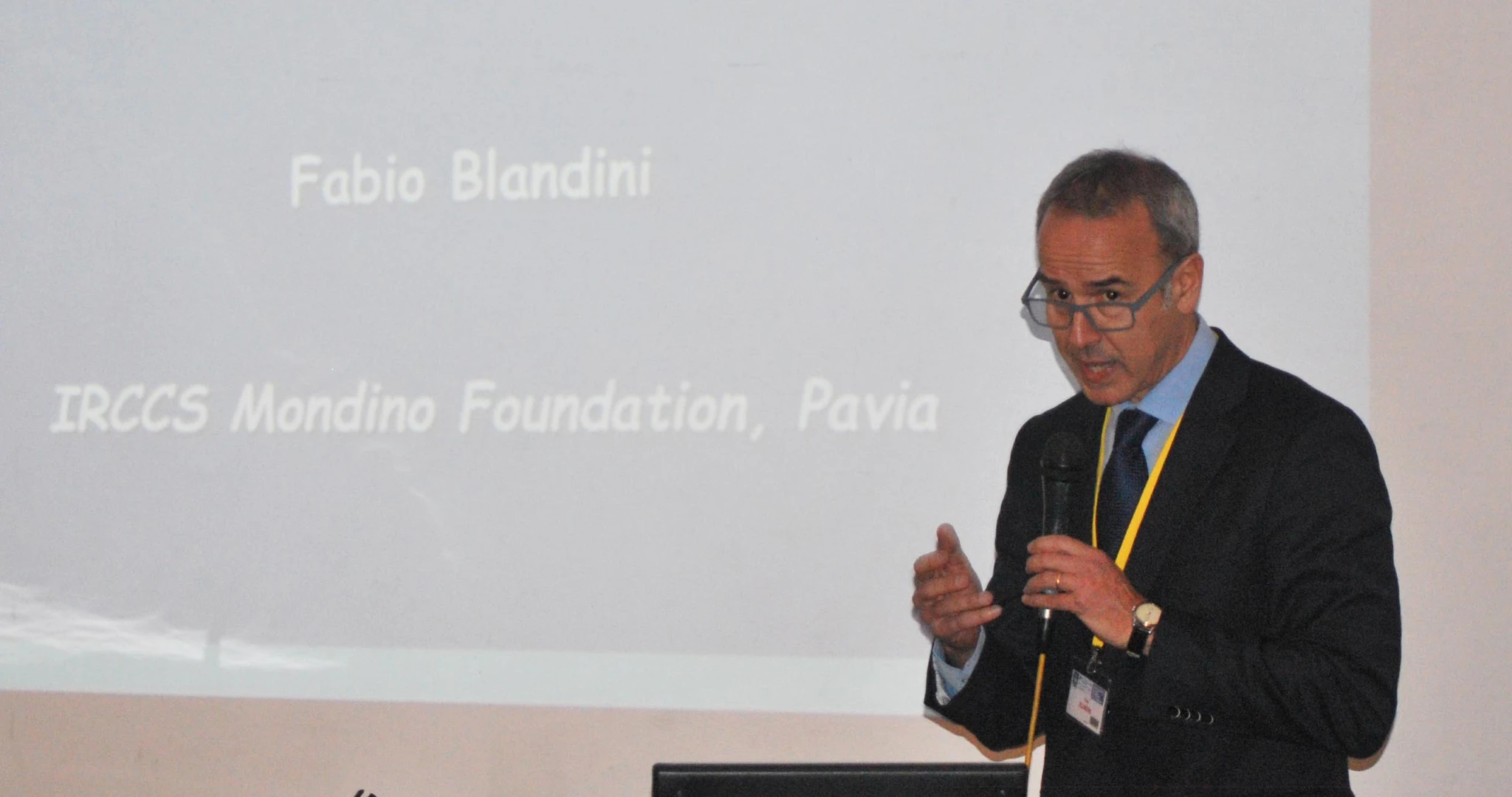
Animal models for neurodegenerative diseases have generated innumerable data on pathogenic mechanisms, pinpointing a number of specific defects. Drugs targeting these defects often proved effective in animal models, but translation into the clinical setting invariably failed. Better models, or new ways of using existing models, are strongly needed, as reported by Prof. Fabio Blandini.
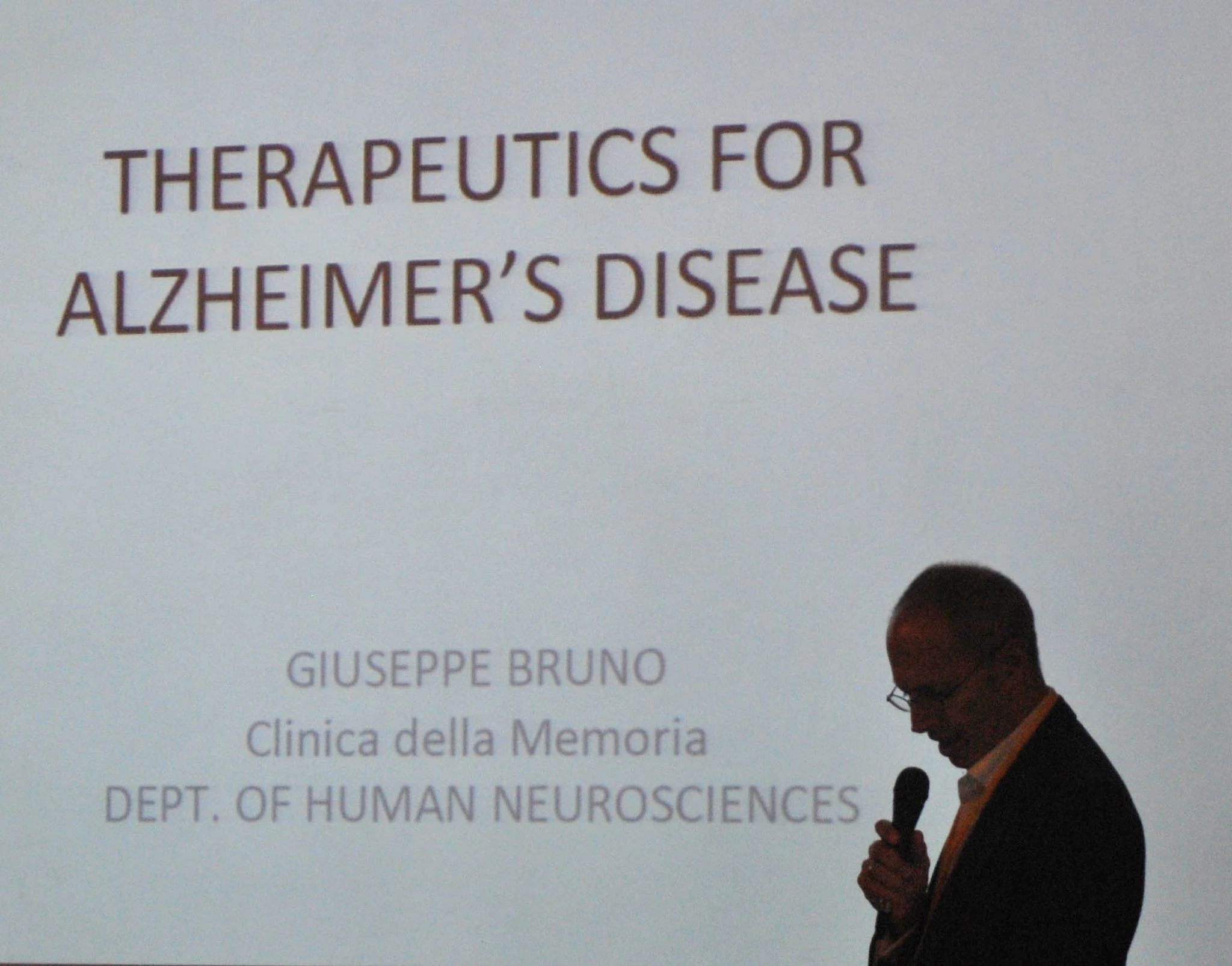
Therapeutics approaches have been reported by Prof. Fabrizio Stocchi for the current and innovative approaches for therapy of PD and by Prof. Giuseppe Bruno for the Alzheimer’s disease approach.
To describe the patients needs, Prof. Rosa Liperoti introduced the long term assistance topic.